polymer-additive2.jpg
White Masterbatch
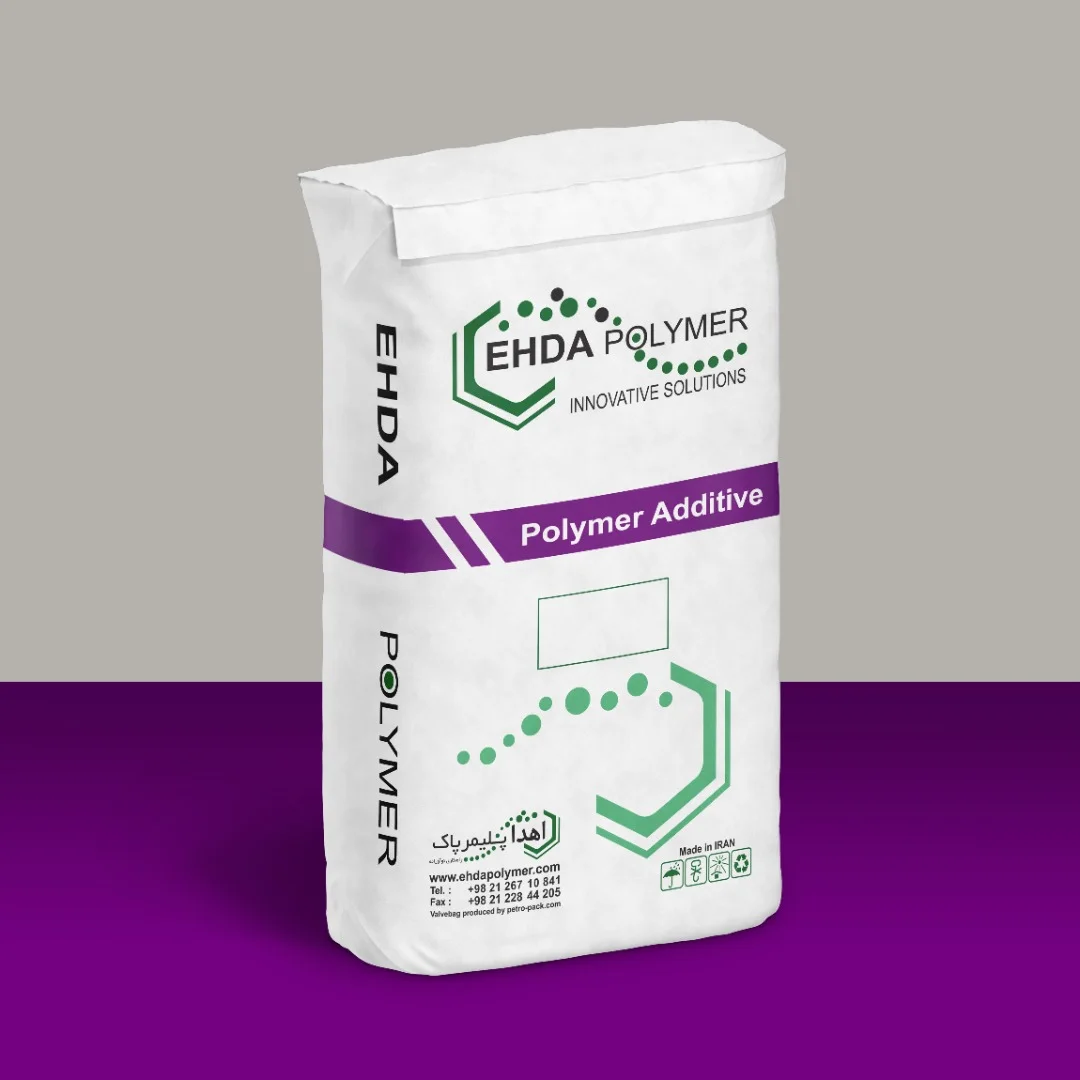
This masterbatch is used to create uniform whiteness, increase covering power and improve the appearance of plastic products. White masterbatch, by utilizing titanium dioxide pigment (TiO₂) and its uniform distribution in the base polymer, increases the whiteness, surface gloss and appearance quality of the final product. In addition to improving the production process, this product has wide application in the production of various polymer films, injection molded parts, pipes, profiles and other plastic products by increasing resistance to UV radiation and maintaining mechanical properties.


This masterbatch is used to create uniform whiteness, increase covering power and improve the appearance of plastic products.
White masterbatch, by utilizing titanium dioxide pigment (TiO₂) and its uniform distribution in the base polymer, increases the whiteness, surface gloss and appearance quality of the final product. In addition to improving the production process, this product has wide application in the production of various polymer films, injection molded parts, pipes, profiles and other plastic products by increasing resistance to UV radiation and maintaining mechanical properties.

Applications

The agricultural industry is a major consumer of polymer products, utilizing polymers to manufacture a variety of films—such as those for agricultural, greenhouse, irrigation, and produce packaging applications—as well as essential equipment. Key requirements for polymer products in this sector include resistance to sunlight and UV radiation, durability and longevity, mechanical strength, resistance to environmental conditions, and the retention of properties throughout their service life.
The automotive parts industry is a major consumer of polymer products, utilizing various processes—such as injection molding, extrusion, blow molding, and rotational molding—to manufacture a wide range of automotive components. Key requirements for this industry include mechanical properties, durability, heat resistance, UV stability, and surface quality.
The home appliance industry is a major consumer of polymer materials, utilizing them to manufacture aesthetic parts, casings, internal components, and technical parts for various products. Surface quality, color stability, heat resistance, strength, and durability are key requirements in this industry.
The packaging industry is one of the largest sectors for the consumption of polymer products, utilizing films, containers, bottles, caps, and various types of flexible and rigid packaging to protect and preserve goods. Key characteristics of these products include transparency, strength, printability, aesthetic appeal, and resistance to environmental factors.
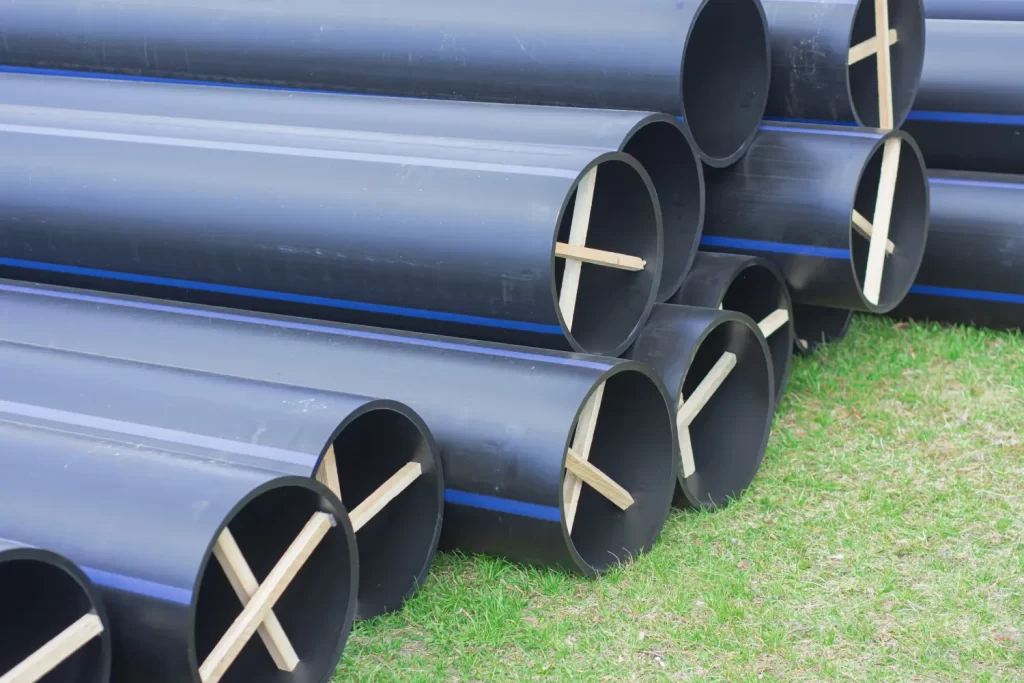
The pipe industry represents one of the most significant applications of polymers across the construction, agriculture, water supply, and wastewater sectors, as well as in various other industries. Key requirements for this industry include mechanical strength, durability, chemical resistance, UV stability, and the retention of properties throughout the product’s service life.
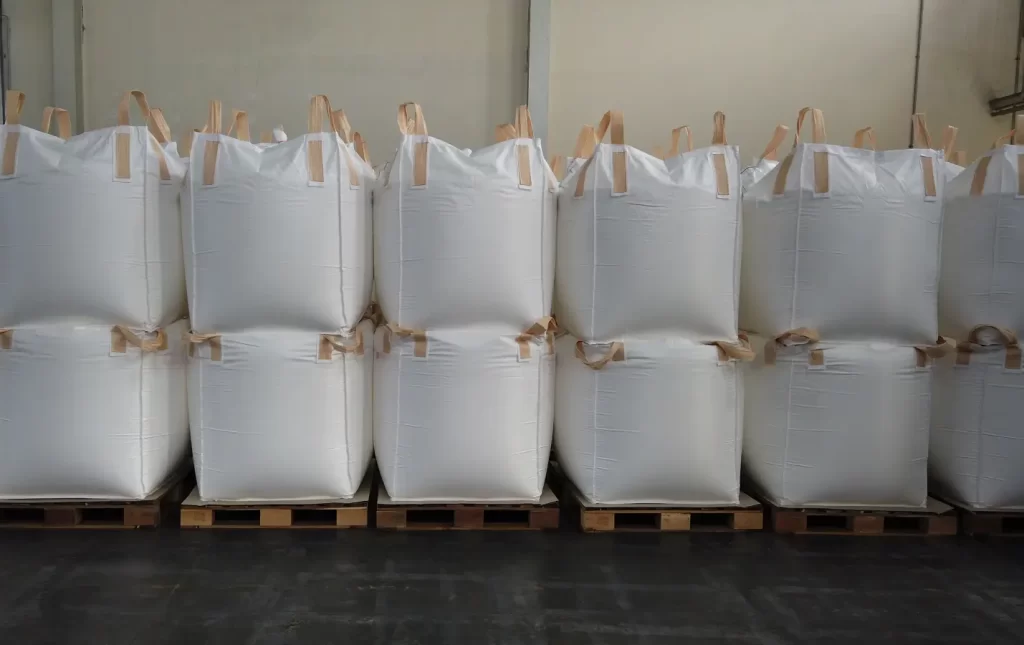
The sack-weaving industry is a key application for polypropylene (PP) polymers, used to manufacture woven bags for packaging agricultural, food, industrial, and chemical products. Tensile strength, tear resistance, color stability, and resistance to sunlight are among the important characteristics of products in this industry.

Industries

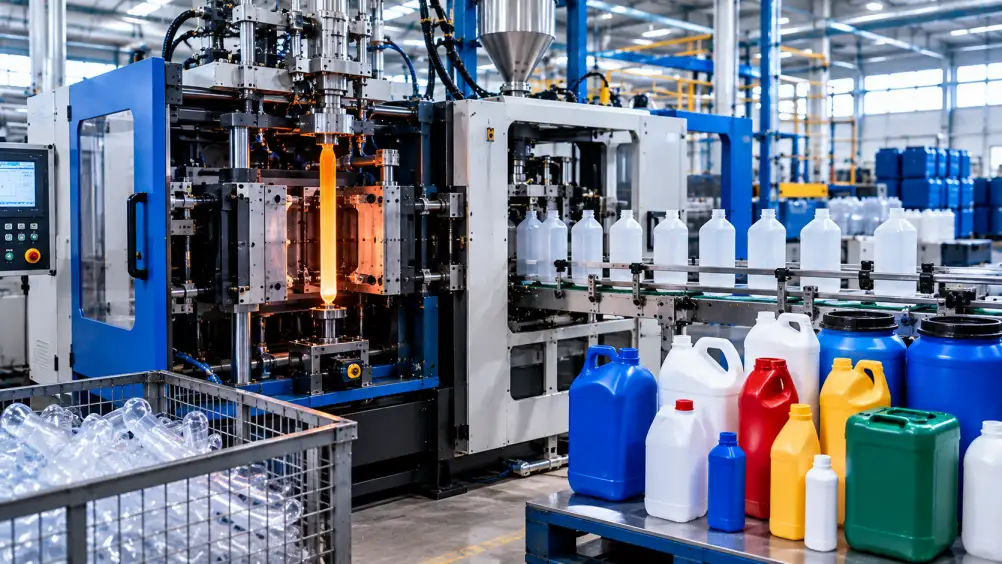
Blow molding is a method of producing hollow plastic products that is widely used in the packaging, health, pharmaceutical, chemical, and automotive industries.
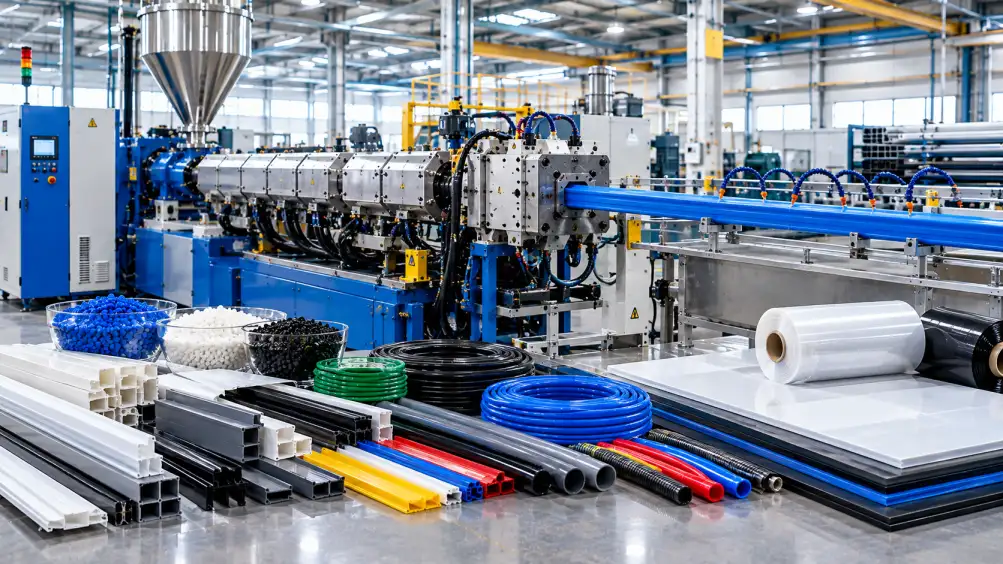
Extrusion is one of the main methods of shaping polymers, in which molten materials pass through a die with a specific shape and are transformed into a product with a fixed cross-section.
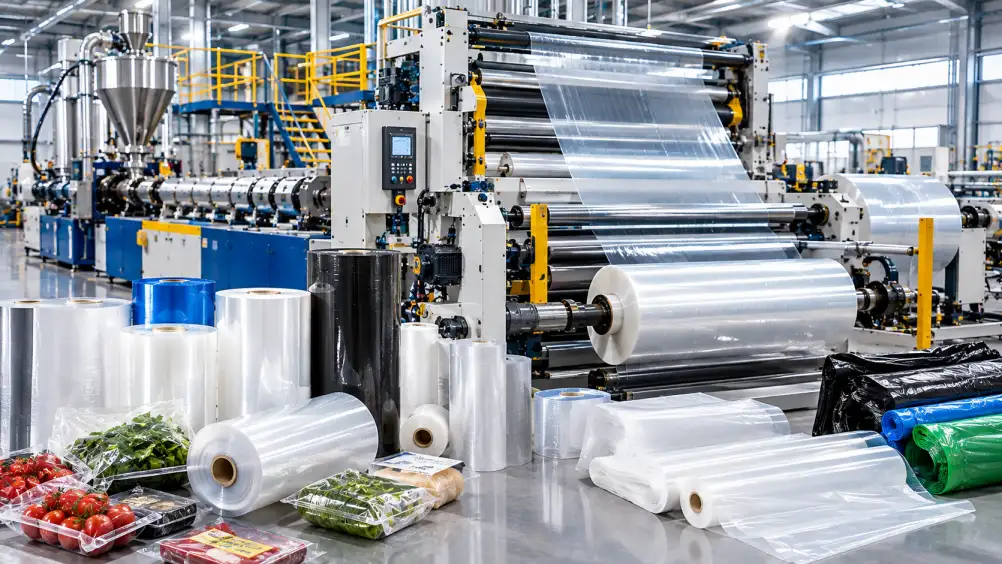
The polymer film industry produces thin, flexible films from polymers such as PE and PP. These products are used in packaging, agriculture, medical, and industrial applications.
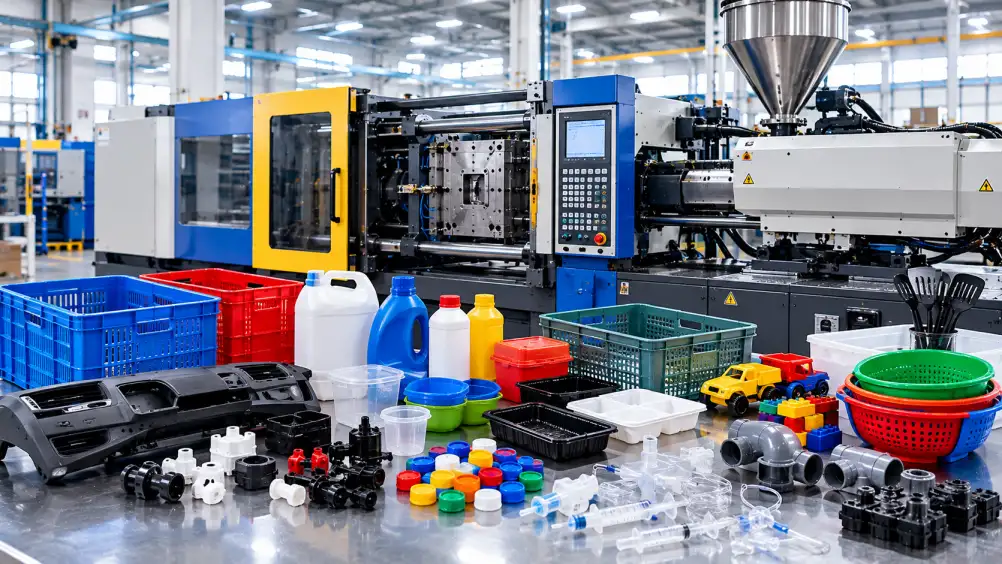
Plastic injection molding is one of the most widely used methods of producing plastic parts, which allows for the rapid, accurate, and mass production of parts of various shapes and sizes.
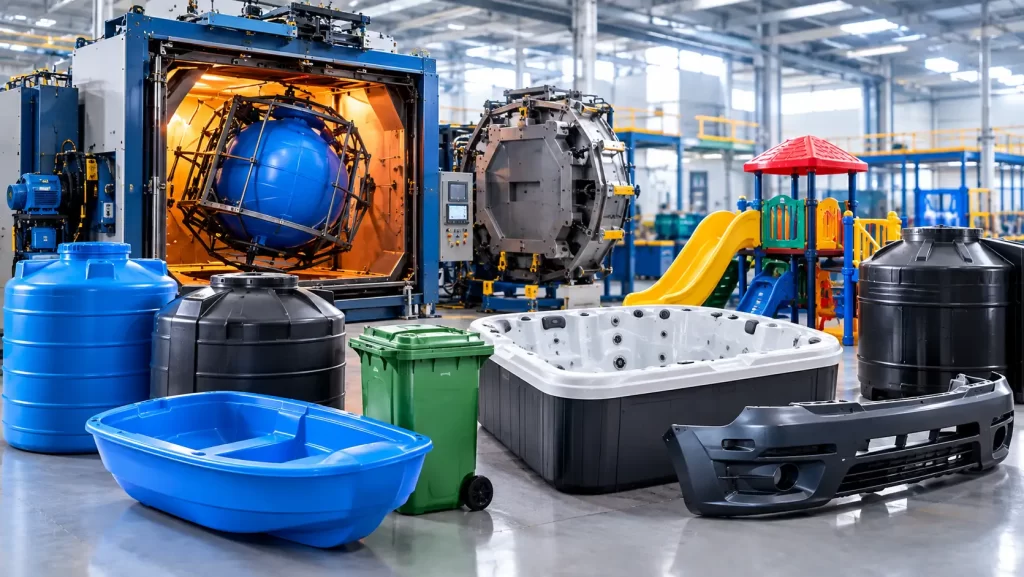
Rotomolding is a method for producing hollow, integral plastic parts of various sizes and shapes. This method is particularly useful for producing large parts and products with complex geometries.

Product Order